How Dryve PH Makes Buying Bank-Repossessed Cars Easier and More Convenient

Buying a bank-repossessed car is one of the smartest ways to get a quality vehicle at an affordable price. But for many first-time buyers, the process can seem confusing and overwhelming. That’s where Dryve PH comes in — making your car-buying journey smoother, safer, and more convenient every step of the way. Here’s how Dryve PH makes buying bank-repossessed cars easier and more convenient:

Share This Post

1. User-Friendly Online Platform

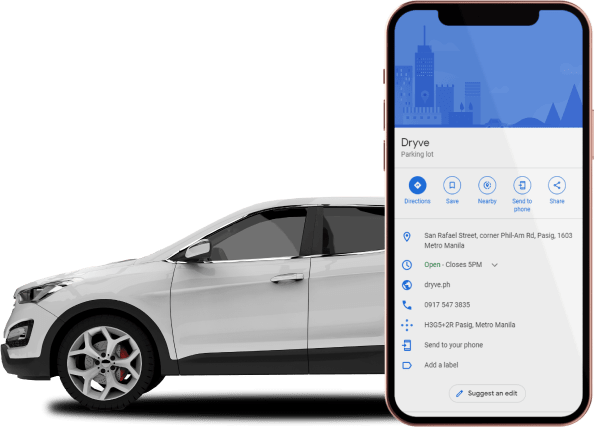
Dryve PH allows you to browse hundreds of bank-repossessed vehicles online from the comfort of your home. Our listings are transparent and complete with:
  • Photos of the actual units 
  • Minimum bid prices 
  • Car specs, mileage, and condition 
  • Available locations nationwide 
No need to jump from one bank to another — we consolidate listings from multiple trusted banks so you can compare options in one place.

2. Real-Time Inventory and Updates

We know how important it is to make quick decisions when units move fast. Dryve PH provides up-to-date availability, and if you’re subscribed to our updates, we’ll notify you as soon as new repossessed cars are uploaded — so you never miss a deal.

3. Guidance from Start to Finish

The process of buying a repossessed car can include bidding, inspections, paperwork, and even financing. With Dryve PH, you don’t go through it alone:
  • We guide you through bidding and reservation 
  • Help with requirements and document preparation 
  • Coordinate with banks for financing or outright purchase 
  • Assist in the transfer of ownership and other legal steps 
You get expert help without the hassle — whether it’s your first car or your next investment.

4. Affordable and Transparent Pricing

Because all cars come directly from banks, you get legit units with verified documentation. These cars are:
  • Priced lower than market value 
  • Often low-mileage and well-maintained 
  • Available with a minimum bid or fixed price, depending on the unit 
We also highlight how much you’re saving compared to buying brand-new, helping you make confident decisions.

5. Nationwide Warehouses & Viewing Options

Dryve PH works with banks that have warehouses across the Philippines, including:
  • Metro Manila (Muntinlupa, Pasig, Parañaque) 
  • Cavite, Laguna, Bulacan 
  • Cebu, Davao, Iloilo, Cagayan de Oro, Gensan, and more 
This makes vehicle viewing and pull-out more accessible, no matter where you are.

6. Financing Assistance

Want to get the car via installment? Dryve PH can connect you with financing options from our partner banks. We’ll guide you through:
  • Pre-qualification and requirements 
  • Application forms 
  • Coordination with bank officers 

We can even suggest units eligible for auto-loans, saving you time and effort.

7. Trusted by Hundreds of Clients

We feature real client pull-outs, 5-star reviews, and success stories. Many of our customers love how easy, affordable, and reliable the process was — making Dryve PH their go-to for repossessed vehicles.

Final Thoughts

Buying a repossessed car doesn’t have to be complicated. With Dryve PH, you get: ✔️ A wide selection of affordable units ✔️ Step-by-step guidance ✔️ Financing help ✔️ Legit documents from banks ✔️ Smooth transfer process Ready to drive your dream car without breaking the bank? Check out our available units at www.dryve.ph Or message us on Facebook to get started. Affordable, legit, and secure — It’s easy #JustDryve!

More To Explore

News

What “As-Is, Where-Is” Really Means When Buying a Repo Car

When exploring repossessed car listings, you’ve likely come across the term “as-is, where-is.” For many first-time buyers, this phrase can sound intimidating or unclear. However, understanding what it truly means is essential to making a smart and confident purchase decision.

News

High Fuel Costs, Smarter Choices: Repossessed Cars Popularity

In 2026, gasoline prices in the Philippines are rising again due to global conflicts disrupting oil supply. Tensions in the Middle East, involving the United States, Israel, and Iran, are affecting countries that rely on imported oil, including the Philippines.